








By using our website, you agree to the use of cookies as described in our Cookie Policy
Can Commercial Vehicle Wraps in Elkton Be Removed Without Damage?
Most business owners worry that wraps are permanent commitments. Stick them on, and you're married to the look until the paint gives up. But that's not how quality vinyl works — and if you think otherwise, you're either buying cheap material or working with the wrong installer. Vehicle wraps are designed to come off clean. The question isn't whether it's possible. It's whether you did everything right from the start.
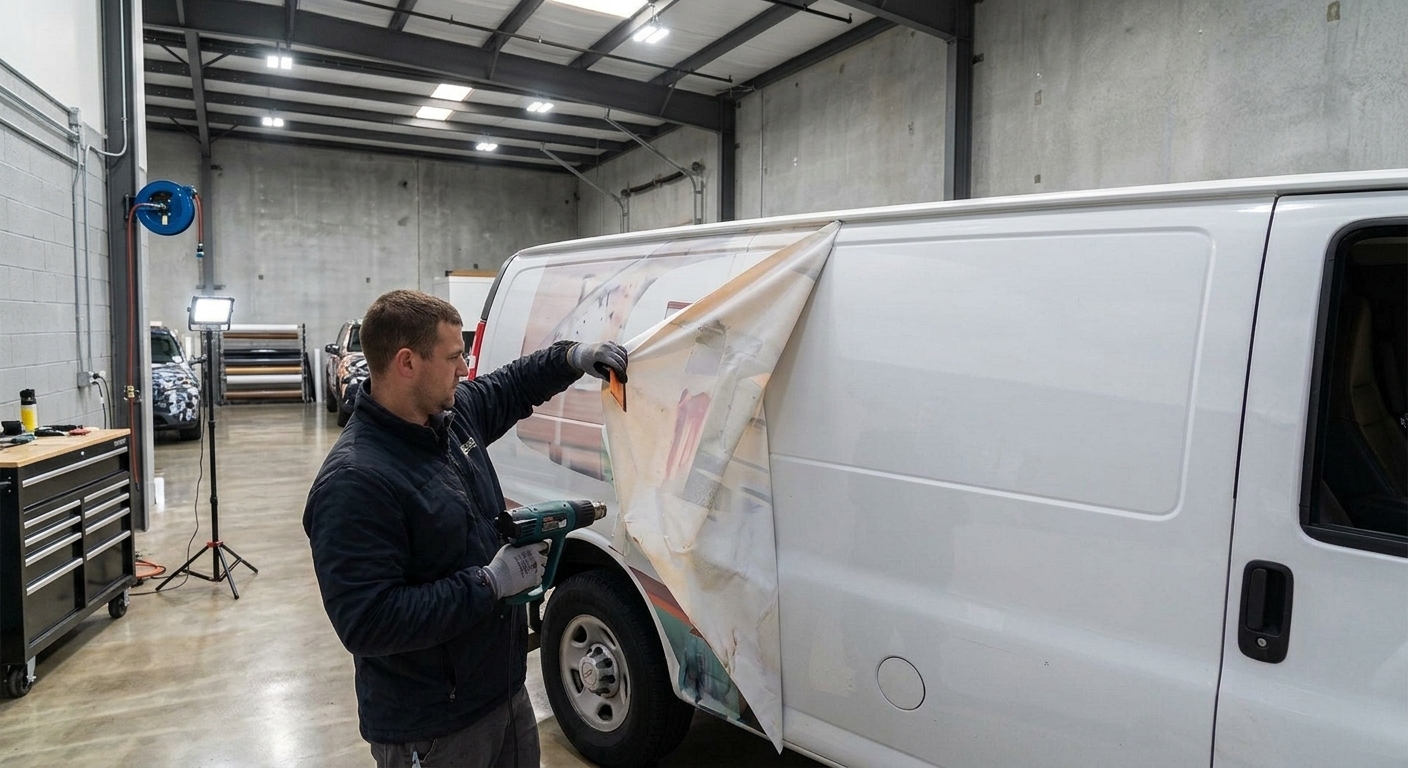
Here's what matters. If the vinyl was applied correctly, the surface was prepped properly, and you're not trying to strip it off ten years later, removal should leave your paint intact. But shortcuts at installation? Skipping surface prep? Waiting too long to pull it? Those are the moves that cost you a repaint — not the wrap itself.
Quality Vinyl Peels Clean When It's Done Right
Not all wraps are created equal. Premium vinyl from recognized manufacturers is engineered to bond strong enough for durability but release clean when heated properly. The adhesive is built to stick for years without baking into your clear coat. Cheap material? That's a different game. It might look fine on day one, but six months in the sun and it's fused to your paint like a bad decision.
Professional installers know the difference. They won't apply vinyl to a damaged surface or over a sketchy aftermarket paint job. If the base isn't solid, the wrap won't come off clean — no matter how much you paid for the material. The installer matters as much as the vinyl itself. Maybe more.
Age and Environment Work Against You
Wraps are rated for five to seven years under normal conditions. Push past that window and the adhesive starts to harden. UV exposure, salt, road chemicals — they all accelerate breakdown. The vinyl might look fine, but underneath, the bond is changing. When you finally try to remove it, you're fighting adhesive that's had years to settle in.
Heat and cold cycles don't help either. If your vehicle sits outside in Elkton summers and winters, that wrap is expanding and contracting constantly. Over time, that stress shows up during removal. The vinyl tears instead of peeling. Adhesive clings in patches. What should take an hour turns into an afternoon of scraping and solvent work.
What Happens During Professional Removal
Heat softens everything. Professionals use controlled heat guns to warm the vinyl just enough to loosen the adhesive without cooking the paint underneath. Then they peel — slowly, at the right angle, watching for tears or resistance. If the vinyl comes up clean, you're golden. If it fights back, they adjust.
Residue happens. Even with perfect removal, some adhesive stays behind. That's normal. What's not normal is scraping it off with a razor or dousing it with random chemicals from the hardware store. Pros use solvents designed for automotive adhesive — ones that won't strip wax, dull clear coat, or eat through plastic trim.
Mistakes That Lead to Paint Damage
- Applying wraps to freshly painted surfaces before the paint has fully cured
- Installing over existing damage, rust, or poorly prepped areas
- Leaving wraps on well past their rated lifespan
- Trying to remove vinyl in freezing temperatures or direct sun
- Using sharp tools or abrasive methods to scrape off adhesive
Why DIY Removal Usually Goes Sideways
It looks simple on video. Heat it, peel it, done. But without experience, you'll overheat sections, tear the vinyl mid-pull, or yank too fast and lift paint along with it. The tools matter too. A cheap heat gun from the discount bin doesn't give you the control you need. Neither does a hair dryer.
Then there's the adhesive cleanup. Most people reach for whatever solvent is under the sink. Acetone, mineral spirits, rubbing alcohol — some of those will work. Others will leave you with a bigger mess or a dull finish that needs correction. If you're not sure what you're doing, you're gambling with your paint.
How to Protect Your Investment From Day One
- Work with installers who specialize in commercial wraps and can show you their removal track record
- Confirm the vinyl brand and ask about its rated lifespan and removal characteristics
- Inspect your vehicle's paint condition before installation and address any issues first
- Keep the wrap clean and avoid harsh chemicals that can degrade vinyl or adhesive
- Schedule removal before the wrap hits its expiration date, especially if the vehicle sits outside
When to Call in a Pro Instead of Risking It
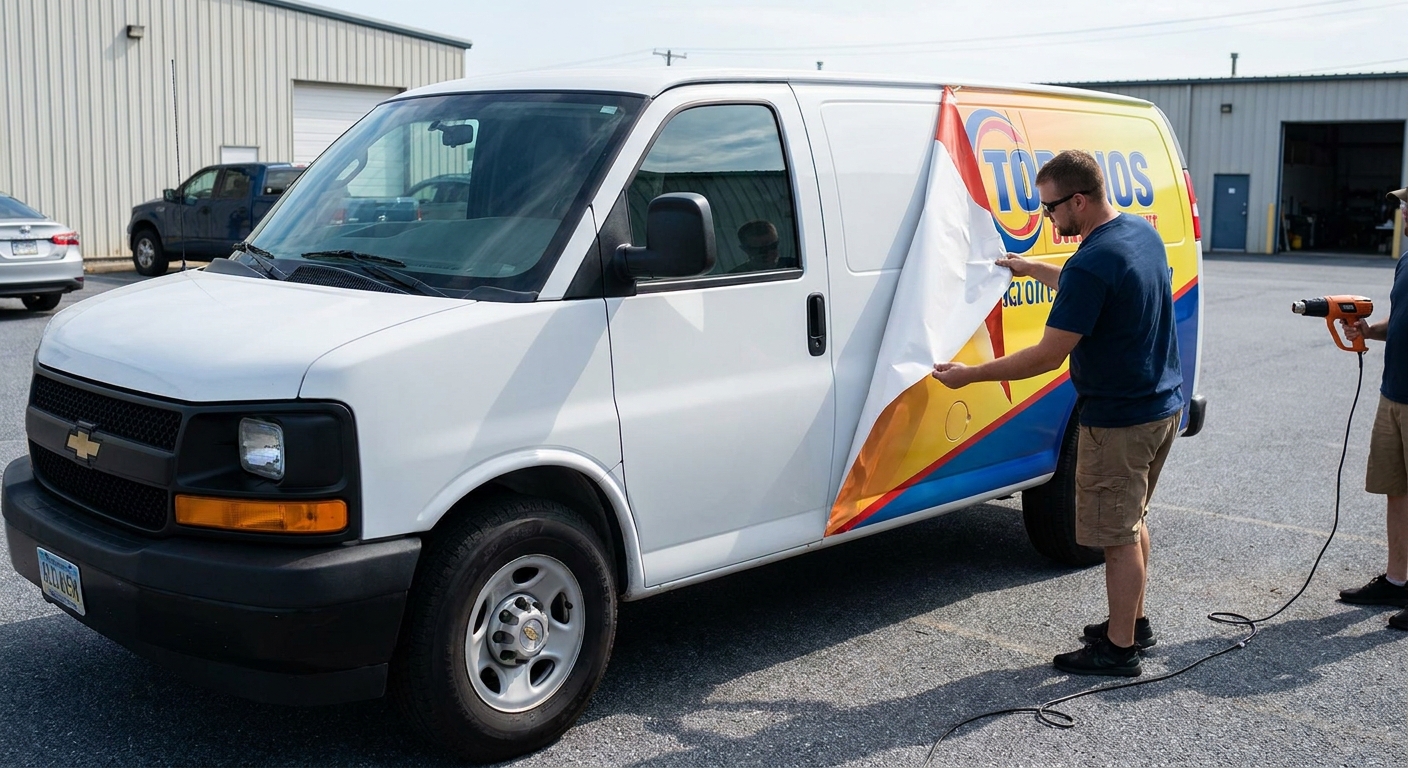
If your wrap is older than five years, if it's been exposed to heavy sun or salt, or if you're seeing cracks and lifting at the edges, don't try to handle it yourself. Same goes if you're dealing with a fleet vehicle that needs to be returned or resold. One bad removal can tank resale value or cost you thousands in penalties.
A professional car wrap removal team in Elkton will assess the wrap's condition, plan the approach, and handle every step — from heat application to final polish. They'll also spot problems you wouldn't see coming, like compromised paint or sections where the vinyl has bonded too aggressively. That's the kind of insight that saves you money and headaches.
Red Flags That Signal Trouble Ahead
- Edges of the wrap are lifting or peeling without being touched
- Vinyl shows cracks, fading, or brittleness
- Adhesive is visible around seams or in areas where the wrap has pulled back
- Paint underneath was damaged or recently repaired before the wrap went on
- The wrap has been on the vehicle for eight or more years
What Clean Removal Really Looks Like
When it's done right, your paint looks the same as it did before the wrap went on. No discoloration, no scratches, no adhesive shadows. The clear coat is intact. The surface is smooth. You could apply a new wrap tomorrow or leave it bare — either way, you're in good shape.
That's the standard. Anything less means something went wrong, whether it was the material, the installation, the timing, or the removal process. If you're left with a mess, it's usually not the wrap's fault. It's everything else.
Planning for the Long Game
- Budget for removal when you budget for installation, so you're not caught off guard
- Track the wrap's age and condition, not just the mileage on the vehicle
- Keep records of the material used, the installer, and any warranty details
- Consider removal timing based on your vehicle's use case — lease returns, resale, or rebranding schedules
- Don't wait for visible damage before scheduling removal; plan ahead
The Real Cost of Cutting Corners
Cheap wraps and rushed installs save money up front. But when removal time comes, you'll pay the difference — and then some. Damaged paint means bodywork, repainting, and downtime. That's a few hundred dollars in savings turned into a few thousand in repairs.
Same goes for skipping professional removal. Sure, you can try it yourself. But if you're wrong, you're stuck with the bill. And you don't get a do-over on paint damage. The smart move is to treat removal like the other half of the installation — a step that matters just as much as the first one.
Wraps Come Off When You Set Them Up to Succeed
Getting a clean removal isn't luck. It's the result of using quality materials, working with professionals who understand vehicle wrap design, and respecting the lifespan of the product. Understanding the ROI of commercial vehicle wraps means planning for both application and removal phases. Commercial vehicle wraps in Elkton are designed to be temporary — but only if you handle them like temporary assets, not permanent fixtures. Skip the prep, ignore the timeline, or try to save a few bucks on removal, and you'll learn the hard way why shortcuts don't stick in this business.
Let’s Make Your Next Wrap a Success
We know how important it is to protect your investment and keep your business looking sharp on the road. If you’re ready to remove an old wrap or want expert advice on your next project, let’s talk it through together. Call us at 540-607-0433 or get a quote today and let’s make sure your commercial vehicle gets the care it deserves from start to finish.
‹ Back
Recent Posts
-
Can Commercial Vehicle Wraps in Elkton Be Removed Without Damage?
November 12, 2026
-
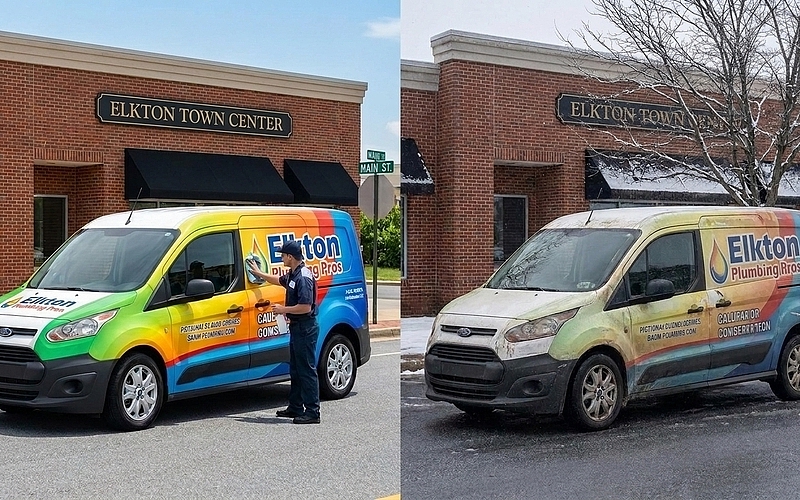
How Long Can You Expect a Commercial Vehicle Wrap in Elkton to Last?
October 29, 2026
-
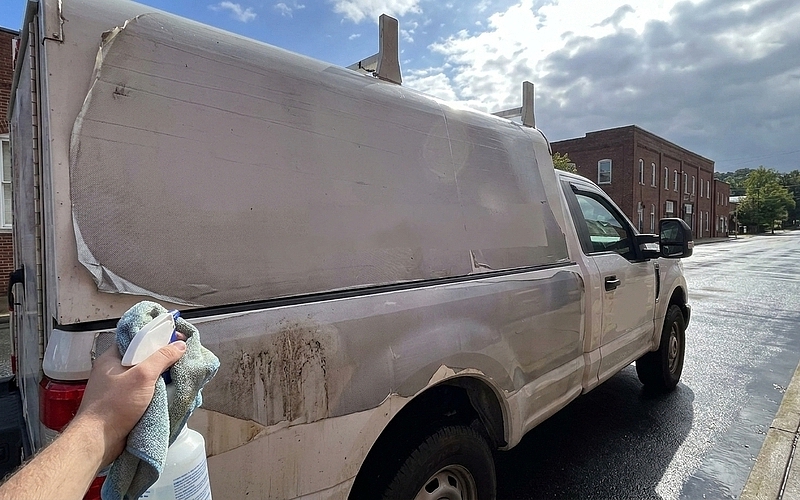
Factors That Affect the Lifespan of Vehicle Wraps in Waynesboro
October 15, 2026
-
Why Graphic Consistency Matters Across All Signage in Staunton
October 1, 2026
-
How to Choose the Right Banner Material for Harrisonburg Businesses
September 17, 2026