






By using our website, you agree to the use of cookies as described in our Cookie Policy
Should Your Business Choose a Full or Partial Vehicle Wrap in Elkton?
Most business owners look at vehicle wraps and think visibility. Rolling advertisement, constant exposure, brand on wheels. But there's more to it than slapping a logo on your truck and hoping for traffic. The choice between full coverage and partial design isn't just about budget—it's about how you use those vehicles, what message you're pushing, and whether you need the whole canvas or just strategic placement. We've seen businesses nail it with both approaches through our vehicle wraps. We've also seen plenty waste money because they picked based on what looked cool instead of what worked for their operation.
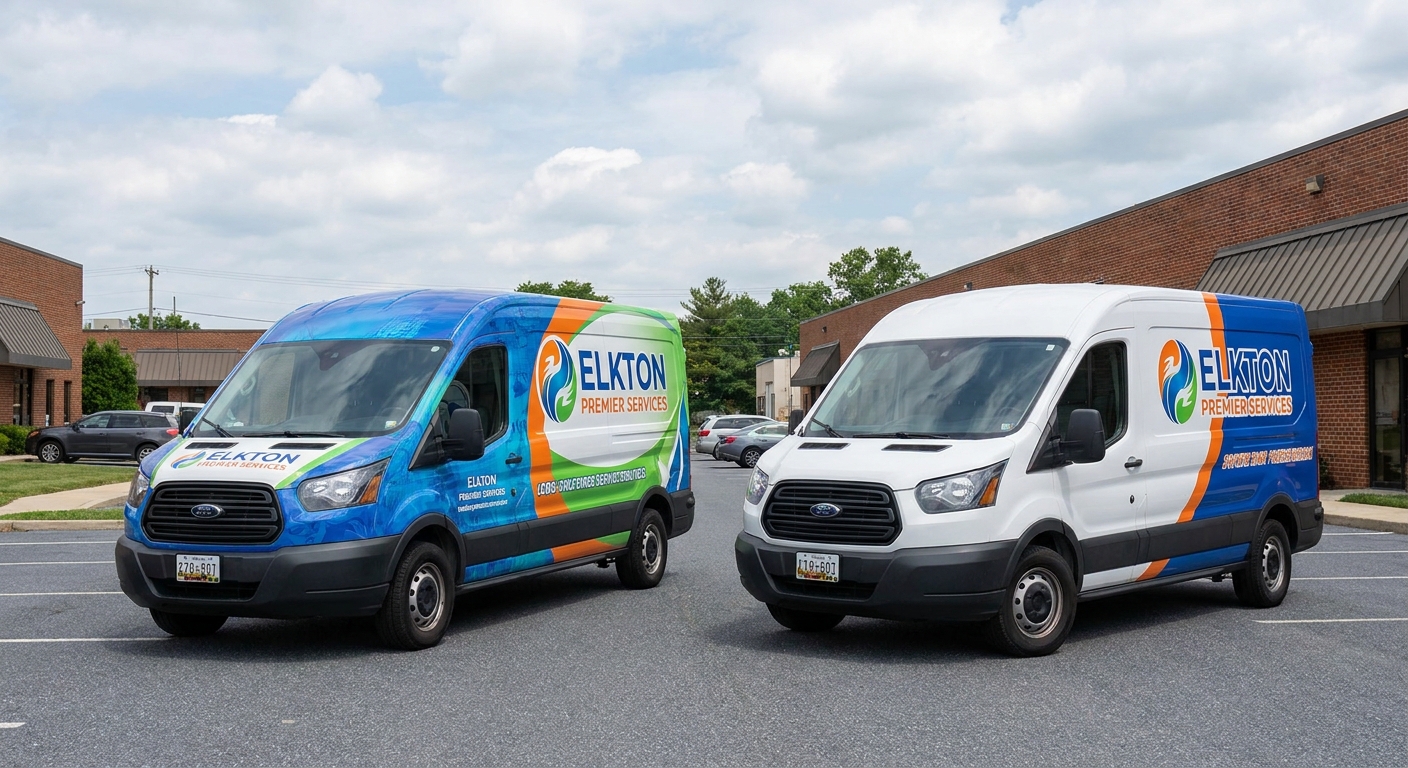
So here's what matters. Full wraps dominate the visual field but demand more investment upfront. Partial wraps cut costs and installation time while still delivering punch—if the design is smart. Either way, your decision should be grounded in what the vehicle does for your business, not just how it looks parked outside your office.
What Full Coverage Actually Delivers
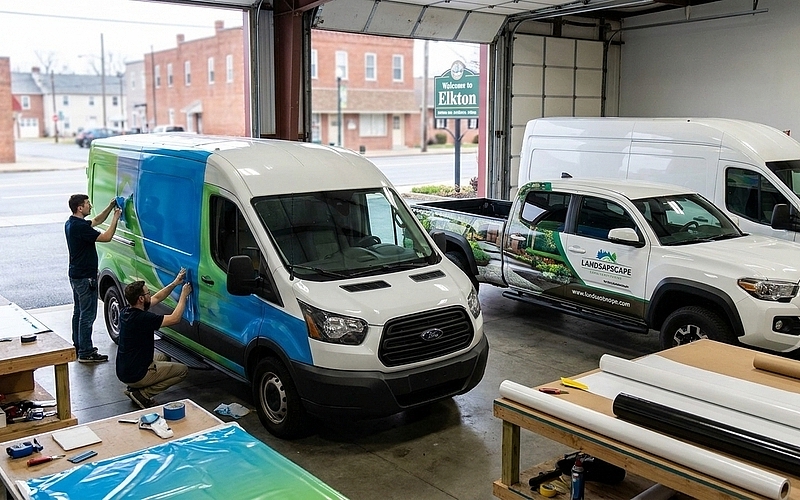
A full wrap blankets every panel, bumper to bumper. Doors, hood, roof, rear—nothing gets left behind. That's maximum real estate for your branding, and maximum control over the message. When done right, it turns a work vehicle into a mobile statement. People notice. Competitors take note. And your brand doesn't share space with factory paint or rust spots.
Beyond the advertising angle, full wraps protect the underlying surface. UV damage, road grime, minor scrapes—the vinyl takes the hit instead of your paint. That matters if you're running vehicles hard or planning to resell down the line. Plus, when it's time to rebrand or update contact info, you peel it off and start fresh without worrying about the condition underneath.
- Complete visual control across every angle and surface
- Protection from sun damage, scratches, and minor abrasions
- Consistent brand presentation without gaps or bare spots
- Higher resale value thanks to preserved original paint
- Flexibility to update or remove without permanent changes
Where Partial Wraps Make Sense
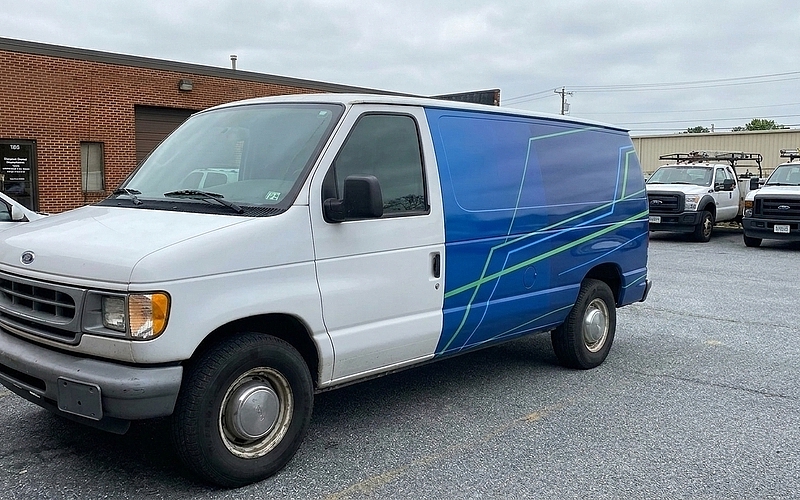
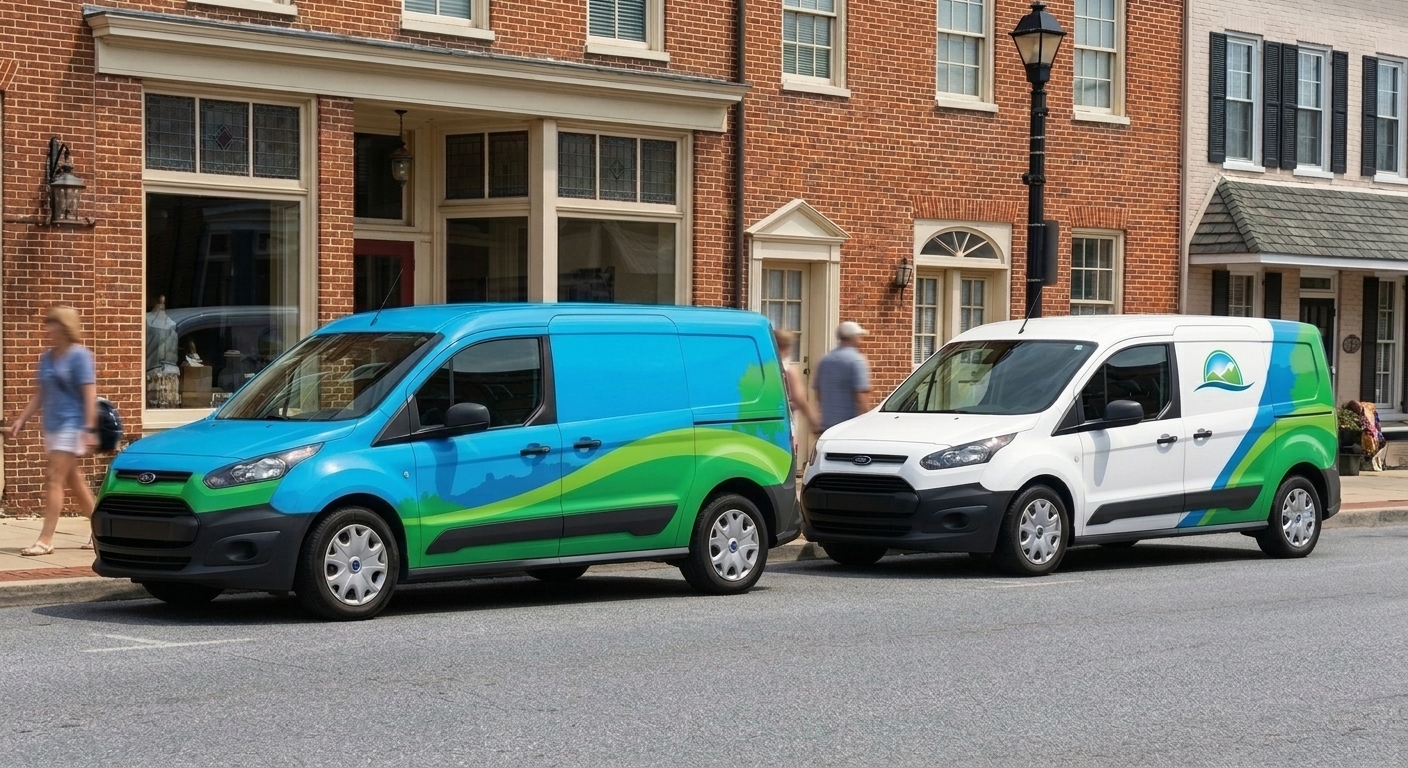
Partial wraps don't cover the whole vehicle—they target key areas like doors, side panels, or the rear. The factory paint becomes part of the design instead of getting hidden. When you're working with a solid base color and a clean layout, this approach delivers strong branding without the full-wrap price tag. We've seen service companies in Elkton run sharp partial designs that hit just as hard as full coverage, especially when the placement is strategic.
Installation moves faster because there's less material and fewer contours to navigate. That means less downtime for your vehicles and lower labor costs. If you're wrapping multiple trucks or vans, those savings multiply quickly. And if your contact info changes or you tweak your logo, swapping out a partial wrap is simpler and cheaper than redoing an entire vehicle.
- Lower material and labor costs compared to full wraps
- Faster turnaround time with minimal vehicle downtime
- Smart use of existing vehicle color as a design element
- Easier and cheaper to update specific sections
- Effective branding without the full-wrap investment
Budget Realities and Return on Investment
Full wraps cost more. Period. You're paying for more vinyl, more design work, and more installation hours. If you're running a single vehicle and want maximum impact, that investment might pay off fast. But if you're wrapping a fleet, the numbers add up differently. Partial wraps let you brand more vehicles for the same budget, spreading your visibility across multiple service areas instead of betting everything on one truck.
Think about how each vehicle gets used. A delivery van that parks in busy lots all day? Full wrap makes sense. A service truck that spends most of its time in driveways or back streets? Partial might be enough. The ROI isn't just about how good it looks—it's about how many eyes land on it and whether those eyes belong to your target market. Understanding the ROI of investing in commercial vehicle wraps helps clarify which option delivers better results for your specific operation.
Design Flexibility and Brand Consistency
Full wraps give you a blank slate. You control every inch, which means total creative freedom. Want a bold color scheme that clashes with your vehicle's original paint? No problem—cover it all. But that freedom also demands a strong design, because there's nowhere to hide weak concepts or sloppy execution.
Partial wraps force you to be more selective. You're working with existing colors and integrating them into your layout. That constraint can actually sharpen your design if you lean into it. We've seen partial wraps that look cleaner and more professional than busy full wraps because the designer knew how to use negative space and let the vehicle's lines do some of the work. Learning about the science behind vehicle wrap design can help you understand why some layouts perform better than others.
- Full wraps offer unlimited design options with no restrictions
- Partial wraps require strategic placement and color coordination
- Both options demand professional design to avoid cheap-looking results
- Factory paint can enhance a partial wrap when used intentionally
- Consistent branding across a fleet matters more than individual flashiness
Vehicle Condition and Surface Preparation
Full wraps can hide a lot. Faded paint, minor dents, surface imperfections—the vinyl covers it all. That's a bonus if your vehicles have seen better days. But if the underlying damage is severe, it'll show through or cause adhesion problems. No wrap fixes rust or body damage, so handle that first if you're going full coverage.
Partial wraps are pickier about surface condition. Because the factory paint stays visible, it needs to be clean and relatively uniform. Peeling clear coat or mismatched touch-up jobs will clash with fresh vinyl and make the whole thing look cheap. If your vehicle's paint is rough, a full wrap might be the better call just to cover up the mess.
Installation Speed and Vehicle Downtime
Time off the road costs money. Full wraps take longer to install—sometimes several days depending on the vehicle size and design complexity. If that vehicle is your primary service truck or delivery van, you're losing work hours. Partial wraps cut that downtime significantly because there's less surface to prep, print, and apply.
For businesses running tight schedules, that installation speed matters. We've worked with contractors who couldn't afford to bench a truck for three days, so they went partial and got back on the job the next morning. The branding still worked. The customers still called. And the business didn't lose a week of billable hours waiting for vinyl to cure. Many contractors discover how fleet wraps help Elkton contractors win more jobs without sacrificing productivity.
- Full wraps can take multiple days depending on vehicle size
- Partial wraps often complete in a single day or less
- Downtime translates to lost revenue for service-based businesses
- Scheduling flexibility matters when managing a fleet
- Faster installation doesn't mean lower quality if the installer knows their craft
When to Call a Professional Designer
DIY wrap designs rarely look professional. You might save a few bucks on the front end, but the result usually screams amateur. We've seen businesses try to handle their own layouts and end up with cluttered text, bad color choices, and branding that gets ignored on the road. A professional designer knows how to balance visibility, readability, and aesthetic appeal—and they understand how vehicle contours affect the final look. Our team offers comprehensive graphic design services that translate business goals into effective vehicle branding.
Whether you choose full or partial, invest in someone who's done this before. They'll help you pick the right placement, avoid common mistakes, and create a design that actually converts eyeballs into phone calls. That's the whole point of wrapping your vehicle in the first place.
Wraps That Work Because the Strategy Does
Choosing between full and partial coverage isn't about which one's better—it's about which one fits your business. If you need maximum impact and can afford the investment, go full. If you're budget-conscious or running multiple vehicles, partial wraps deliver solid results without draining your marketing budget. Either way, the wrap only works if it's backed by clean design, professional installation, and a clear understanding of who you're trying to reach. Elkton's roads are full of opportunities to get noticed. Make sure your vehicles don't blend in with the rest of the traffic that nobody remembers.
Ready to Boost Your Brand on the Road?
Let's make your business stand out wherever your vehicles go. Whether you're leaning toward a full wrap or a sharp partial design, we can help you find the right fit for your goals and budget. If you're ready to turn your fleet into rolling billboards that get noticed, give us a call at 540-607-0433 or contact us today to get started.
‹ Back
Recent Posts
-
How to Choose the Right Banner Material for Harrisonburg Businesses
September 17, 2026
-
Best Ways Commercial Vehicle Wraps in Elkton Improve Local Advertising
September 3, 2026
-
What to Know Before Wrapping Your Business Fleet in Elkton
August 20, 2026
-
-